
Early HIV diagnosis saves lives and makes treatment most effective. If you’ve recently had a possible exposure, you may be wondering how soon HIV can be detected by a blood test and what kind of test you should take. Let’s break down how HIV testing works, what “window periods” really mean, and how you can take charge of your health with early testing.
Why HIV Testing Matters
It’s estimated that 15% of people living with HIV in the U.S. don’t know they have it. Knowing your HIV status helps you make smarter choices for yourself and the people you care about.
The Importance of Knowing Early
The Centers for Disease Control and Prevention (CDC) estimates that 40% of new HIV diagnoses are transmitted by people unaware of their infection. Early testing keeps you and your partners safe.
Fortunately, modern science has produced extraordinary HIV treatments allowing people to live long, complication-free lives. However, research shows that starting HIV antiretroviral treatment (ART) early in the course of HIV infection has better long-term outcomes.
Understanding HIV Testing and Detection Windows
Immediate HIV detection following infection isn’t possible. There’s a window of time between exposure and when blood tests can detect HIV in the body.
What the “Window Period” Means
The HIV window refers to the period between a person’s exposure and when they can reliably test positive. An infected person who tests negative during the window can still transmit the virus to others. The average window is about 18 days.
Types of HIV Blood Tests
There are four main blood tests for HIV. Depending on which test you get, the detection window ranges from 10 to 90 days.
How Each Test Works and When They Detect HIV
Here’s a look at the four ways we test for HIV:
- Antibody Test (23 to 90 days after exposure): Detects antibodies produced by the immune system’s response to HIV. These can be either rapid or lab tests.
- Rapid Antigen/Antibody Test (18 to 90 days after exposure): Uses blood from a finger stick to detect antibodies. Typically, a rapid or self-test.
- Antigen/Antibody Lab Test (18 to 45 days after exposure): Uses blood from a vein to detect antibodies.
- NAT or Nucleic Acid Test (10 to 90 days after exposure): A lab test that detects HIV’s genetic material (RNA) in a blood sample. This is the earliest and most accurate HIV blood test because it detects the virus’s presence instead of waiting for antibodies to be produced.
How Soon Should You Get Tested After Possible Exposure?
It’s best to test within two to three weeks of a possible exposure. If you test too early, you may still be in the window period, so follow-up testing is important.
Timing Your First and Follow-Up Tests
If you test positive with any antibody-based test, a follow-up lab test will confirm your results. For a positive self-test or rapid test, consult a healthcare provider for follow-up testing. For a positive test in a healthcare setting, the lab will retest the same sample for verification.
If you’ve tested negative, you should test again after the window expires for the specific test taken. A second negative generally means you do not have HIV. Ask your provider about pre-exposure prophylaxis (PrEP) for HIV prevention if you’re at high risk for HIV after testing negative. Daily-use PrEP reduces the risk of HIV from sex by more than 90%.
What to Do If You’ve Been Exposed Recently
Make a plan to test for HIV within two to three weeks. You should also consider contacting a healthcare provider to obtain immediate post-exposure prophylaxis (PEP) within 72 hours of known exposure. PEP is an HIV-prevention medication regimen.
Acting Quickly Can Make a Difference
Early HIV testing makes HIV treatments more effective and reduces your risk of transmitting HIV to others. Early treatment through early detection dramatically reduces the risk of developing AIDS from HIV.
Get Tested or Talk to a Provider Online
Feeling anxious about a recent potential HIV exposure? Talk to a provider about PEP within 72 hours of exposure and make a plan for testing.
MISTR Makes Testing and Prevention Simple
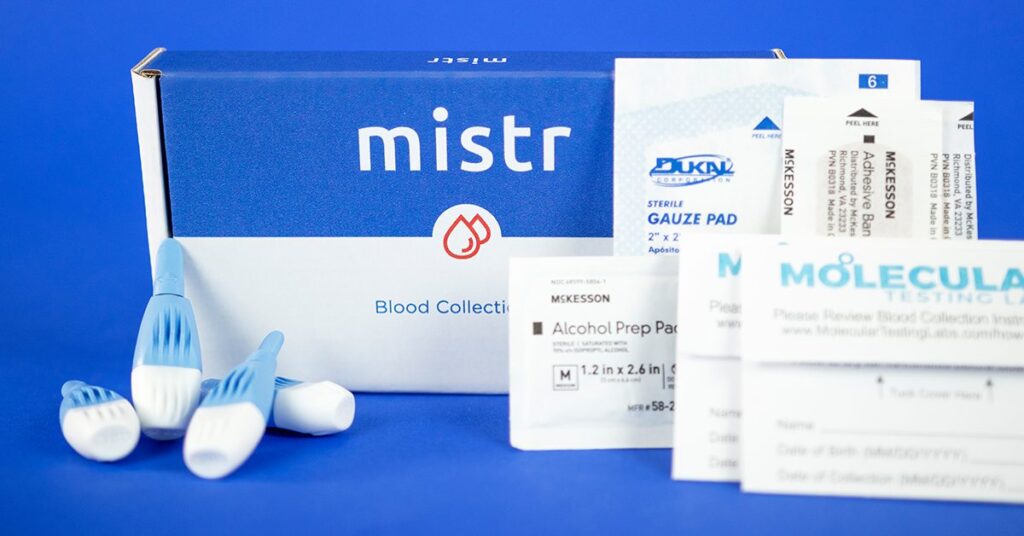
Did you know that MISTR’s telehealth platform gives you quick and confidential access to a healthcare provider who can answer all your questions? Along with your PrEP prescription, we offer free, anonymous HIV testing with an at-home kit with no clinic visits necessary.
In addition to offering HIV testing, MISTR helps you access prevention options like a once-daily pill regimen called PrEP that’s 99% effective at preventing HIV. Health scares don’t have to be part of your everyday experience.
Contact MISTR for empowering, judgment-free sexual health resources today.