
Key Takeaways
- PrEP is highly effective at preventing HIV but doesn’t protect against other sexually transmitted infections
- Condoms remain the only method that provides broad protection against STIs like gonorrhea, chlamydia, and syphilis
- Whether you use prep and condoms together is a personal choice based on your health priorities and risk factors
- Regular STI testing is essential for anyone sexually active, regardless of prevention methods used
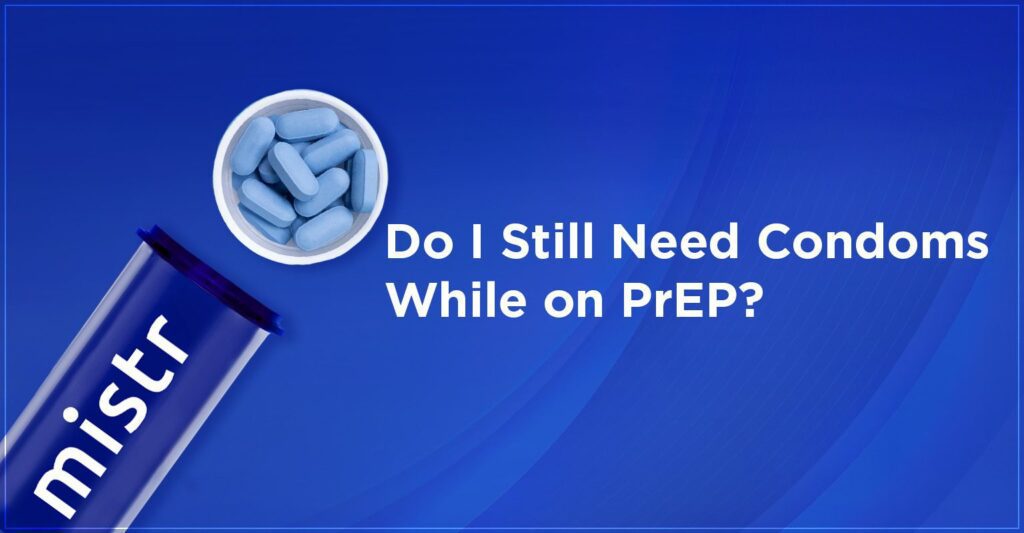
If you’re on PrEP, you’ve already taken a huge step in protecting your sexual health. But here’s a question that comes up all the time: do you need condoms on prep? The short answer is that it depends on what you’re trying to protect yourself from. Let’s break it down.
What PrEP Actually Protects Against
PrEP (pre-exposure prophylaxis) is incredibly powerful when it comes to HIV prevention. We’re talking about 99% effectiveness when taken as prescribed. That’s genuinely amazing. For people at higher risk of HIV exposure, PrEP has been life-changing.
But here’s the thing: PrEP is laser-focused on one job, and that job is preventing HIV. It’s designed to stop the virus from establishing an infection in your body if you’re exposed. Think of it like a specialized tool. A hammer is excellent at driving nails, but you wouldn’t use it to paint a wall.
What PrEP doesn’t do is offer any prep sti protection beyond HIV. It won’t stop gonorrhea, chlamydia, syphilis, herpes, HPV, or any other sexually transmitted infection. This isn’t a flaw in PrEP. It’s just not what the medication was designed to do.
If your primary concern is HIV prevention, particularly if you have partners who are HIV-positive or if you’re in situations where HIV transmission risk is higher, then PrEP alone might align with your goals. But it’s worth understanding what gaps remain.
What Condoms Still Bring to the Table
Condoms are the Swiss Army knife of sexual health protection. They’re not perfect, but they’re the only method that provides broad-spectrum protection against most STIs.
When you use condoms consistently and correctly, you significantly reduce your risk of:
- Gonorrhea, which has become increasingly antibiotic-resistant and can cause serious complications if untreated
- Chlamydia, often symptomless but capable of causing infertility
- Syphilis, which has seen a concerning resurgence in recent years
- Herpes and HPV transmission, though condoms don’t eliminate these risks entirely since these infections can spread through skin-to-skin contact in areas not covered by condoms
There’s also something else worth mentioning. Having one STI can actually increase your vulnerability to others, including HIV. Infections that cause inflammation or sores make it easier for other pathogens to enter your system. So even if you’re primarily concerned about HIV, reducing your exposure to other STIs through condom use can provide an additional layer of protection.
For people who want comprehensive protection, combining PrEP with condoms makes total sense. You get the powerful HIV prevention of PrEP plus the broader STI protection that condoms offer. It’s not redundant, it’s complementary.
Why This Is Ultimately a Personal Decision
Here’s where things get real: your sexual health choices are yours to make. There’s no single “right” answer to whether you should use prep and condoms together.
Some people prioritize HIV prevention above all else. Maybe they’re in a monogamous relationship where both partners have tested negative for other STIs. Maybe they get tested regularly and feel comfortable managing other STI risks differently. Maybe condoms interfere with intimacy in ways that matter deeply to them. These are all valid considerations.
Other people want the broadest possible protection and feel most comfortable using multiple prevention methods. They might have multiple partners, engage in activities with higher exposure risks, or simply prefer the peace of mind that comes with layered protection.
There’s no shame in either approach. What matters is that you’re making informed decisions based on accurate information about your own risk factors and health priorities.
That said, being informed means being honest with yourself about your actual practices. If you know you’re likely to have multiple partners or engage in higher-risk activities, relying solely on PrEP means accepting elevated risk for other STIs. If that works for you and you’re getting regular STI testing, that’s a legitimate choice. But it should be a conscious one, not a default.
It’s also worth having open conversations with your partners about prevention strategies. Sexual health works best when everyone involved is on the same page about risks and protection methods.
The Bottom Line
PrEP is a powerful tool for HIV prevention, but it’s not a complete sexual health solution. It protects against one specific virus, and it does that job remarkably well. Condoms provide broader protection against a range of STIs but require consistent use to be effective.
Whether you decide to combine these methods or rely on PrEP alone depends on your individual circumstances, risk factors, and what feels right for your body and your life. The key is understanding what each method does and doesn’t do, so you can make choices that actually align with your health goals.
If you’re on PrEP, keep taking it as prescribed and keep up with your regular check-ins and testing. If you’re using condoms, great. If you’re doing both, even better. And if you’re doing something else entirely, just make sure it’s based on clear information rather than assumptions.
Your sexual health is yours to manage in whatever way makes sense for you. Just make sure you’re working with the full picture.
Frequently Asked Questions
1. Can I stop using condoms if I’m on PrEP?
Technically yes, but remember that PrEP only protects against HIV. You’ll still be at risk for other STIs like gonorrhea, chlamydia, and syphilis. If broader protection matters to you, continuing condom use makes sense.
2. How often should I get tested for STIs while on PrEP?
Most PrEP protocols recommend STI testing every three to six months, but your healthcare provider might suggest more frequent testing based on your specific situation and number of partners.
3. Does using both PrEP and condoms mean I’m being overly cautious?
Not at all. Using multiple prevention methods is called combination prevention, and it’s actually a smart strategy that gives you protection against different risks. There’s nothing wrong with wanting comprehensive coverage.
4. What if my partner is on PrEP? Do we still need condoms?
PrEP prevents the person taking it from acquiring HIV, but it doesn’t prevent them from getting or transmitting other STIs. If STI prevention is important to either of you, condoms still play a role.
5. Is PrEP effective enough that condoms are unnecessary?
For HIV prevention specifically, yes, PrEP is highly effective when taken correctly. But “unnecessary” depends entirely on what you’re trying to prevent. If you only care about HIV, PrEP might be sufficient. If you want protection against the full range of STIs, you’ll still benefit from using condoms.